ADHD is often introduced like a stereotype in sneakers
ADHD is often introduced like a stereotype in sneakers. Real life is broader. Some children show mostly inattentive traits, some mostly hyperactive-impulsive traits, and some show both. The everyday picture can also include executive-function struggles, emotional intensity, and uneven performance across settings.
What the research-backed guidance points toward
CDC describes ADHD symptoms as falling into inattentive, hyperactive-impulsive, or combined presentations. CDC’s diagnosis page also presents shortened DSM-5 criteria and reminds readers that diagnosis belongs with trained clinicians.
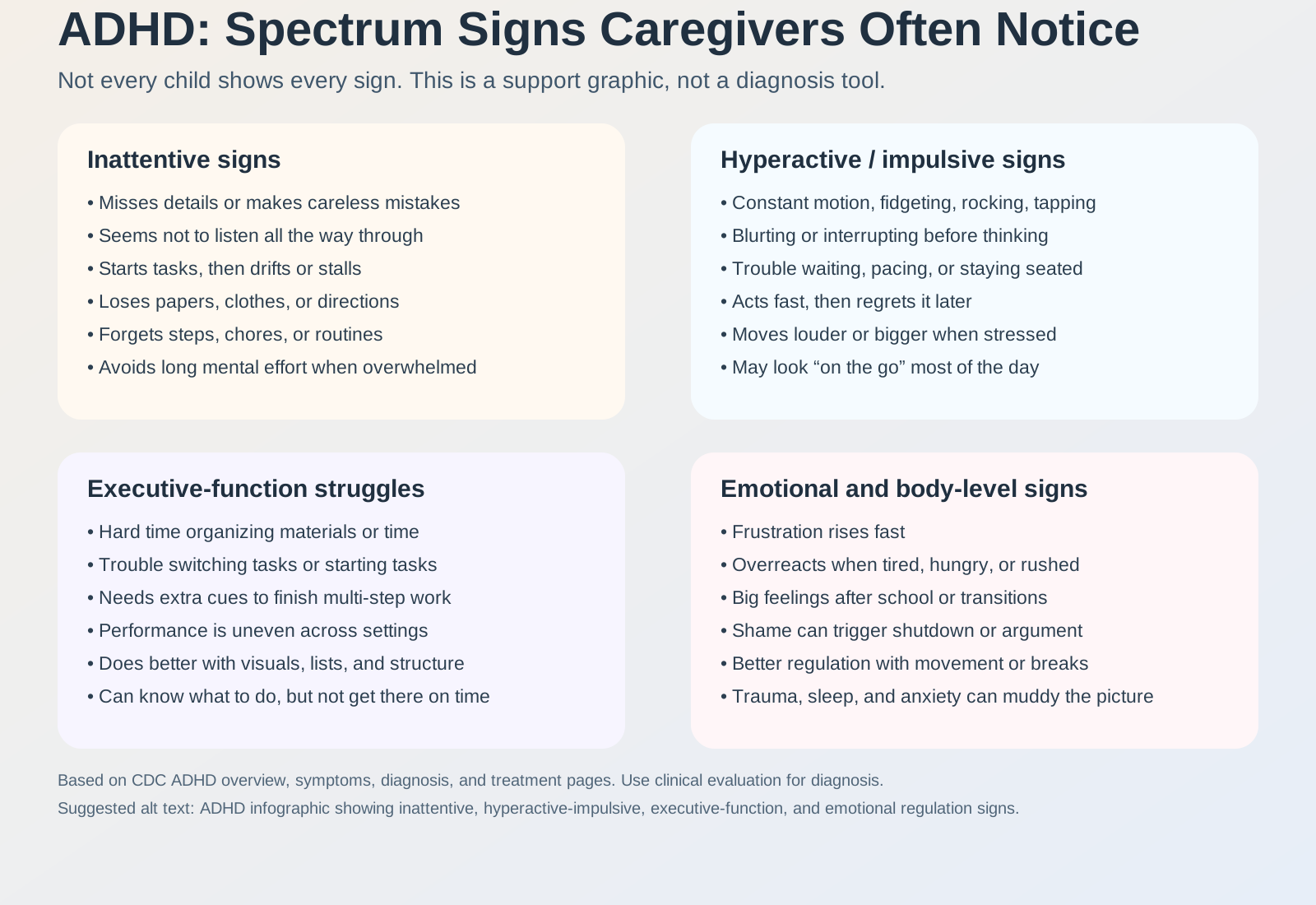
For caregivers, the useful move is not memorizing every line item. It is learning to notice patterns: difficulty sustaining attention, losing materials, forgetting steps, constant motion, blurting, impatience, and inconsistent self-control that gets worse under stress.
The graphic below is not a diagnostic checklist. It is a caregiver map for noticing the spectrum of how ADHD can show up in real life.
Practical moves caregivers can try
- Look for patterns across home, school, and community settings.
- Notice whether sleep, trauma, or anxiety are muddying the picture.
- Bring concrete examples to clinicians and school teams.
- Avoid turning every problem into a morality play.
Related reading inside this site
- ADHD Home Supports That Actually Help
- School Supports for Kids With ADHD in Care
- Trauma and ADHD Overlap: What Caregivers Should Know